

In the early hours of February 28, 2026, the world woke up to reports of coordinated strikes by the United States and Israel on Iranian targets, escalating long-simmering tensions in the Middle East into open conflict. This geopolitical upheaval has sent shockwaves through global markets, with immediate repercussions for energy supplies, commodity prices, and overall economic growth. As a platform dedicated to helping Sri Lankans navigate financial matters like taxes and budgets, www.taxcalculator.lk explores how this event could ripple through the global economy—and what it means for economies like ours that are heavily reliant on imported fuel and goods.
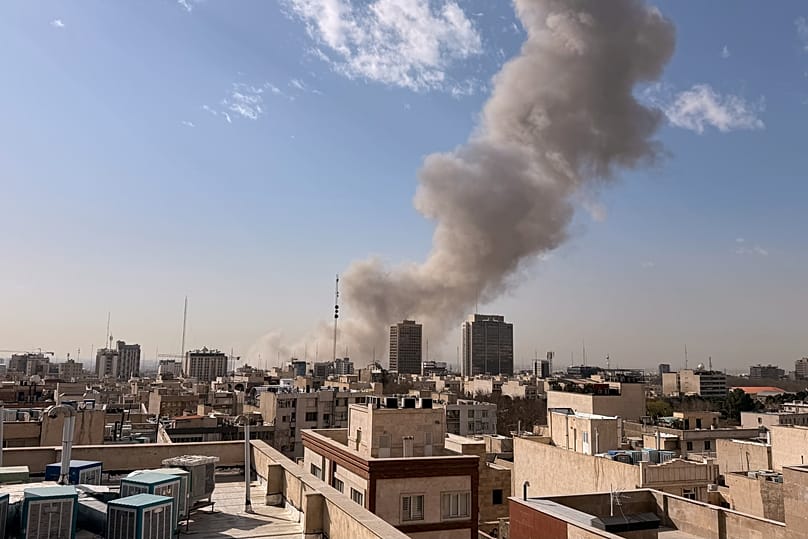
What does the US-Israel attack on Iran mean for oil prices?
Surging Fuel Prices: The Immediate Fallout
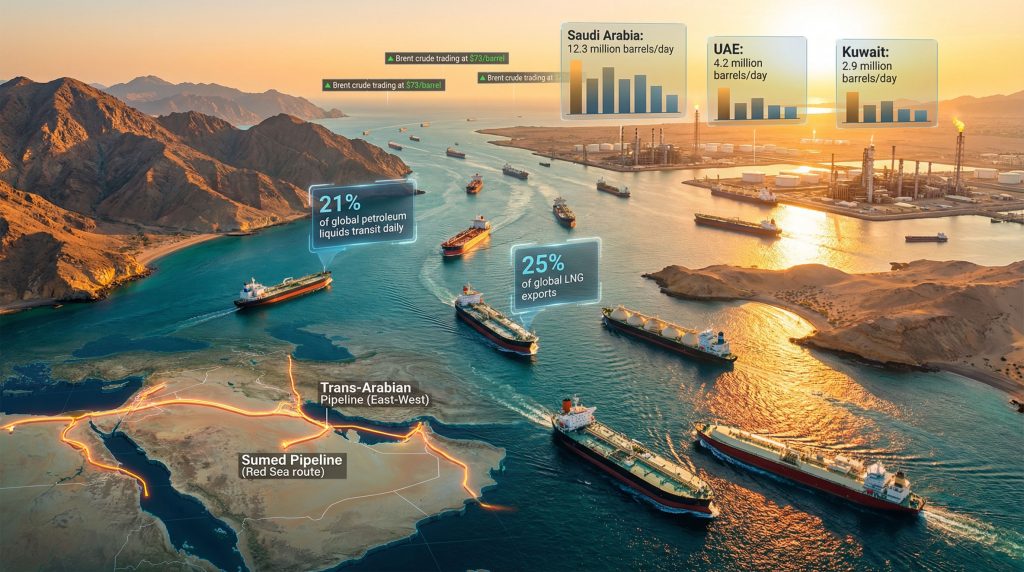
The most direct impact of the strikes is on global oil markets. Iran produces about 3.3 million barrels of crude oil per day, accounting for roughly 3% of global output, but its strategic position amplifies the risks far beyond that figure. The Strait of Hormuz, bordered by Iran, handles approximately 20 million barrels per day—20% of the world’s petroleum liquids. Any disruption here, whether through Iranian retaliation like mining the strait or asymmetric attacks on shipping, could severely curtail supplies.
Brent crude, a key benchmark, closed at $72.48 per barrel just before the strikes but is expected to spike sharply when markets reopen. Analysts project prices could reach $100 per barrel or higher in a protracted conflict, with some scenarios pushing Brent past $120. War-risk insurance premiums for tankers have already doubled in recent months, adding structural costs that will be passed on to consumers worldwide.
For Sri Lanka, which imports nearly all its fuel, this translates to higher pump prices and increased costs for transportation and electricity generation. Expect fuel taxes and levies to come under scrutiny as the government balances revenue needs with public affordability.

Broader Commodity Price Pressures
The ripple effects extend beyond oil to a wide array of commodities. Higher energy costs inflate production and transportation expenses for everything from food to metals. Natural gas markets are also at risk, as the Strait of Hormuz carries a significant portion of global LNG exports, particularly from Qatar. If Iran blocks or disrupts the strait, LNG prices could surge, affecting energy-intensive industries globally.
Historical precedents underscore the severity: During the 1979 Iranian Revolution, oil prices more than doubled, triggering a global recession. The 1990-1991 Gulf War saw prices jump from $15 to $40 per barrel. Today, with global supply chains already strained, commodities like wheat, fertilizers, and industrial metals could see 10-20% price increases if energy disruptions persist.
In Sri Lanka, this could exacerbate inflation in imported goods, from rice to construction materials. Businesses may face higher input costs, potentially leading to adjustments in tax strategies—such as claiming more deductions for energy expenses—to mitigate the hit.

What to know about Iran’s control over Strait of Hormuz, a vital oil trade route
Expected Impacts on Global Economic Growth
The broader economic outlook is grim. Elevated fuel and commodity prices fuel inflation, eroding purchasing power and forcing central banks to reconsider interest rate cuts. If oil sustains above $80-100 per barrel, global GDP growth could slow by 0.5-1% annually, with emerging markets like Sri Lanka hit hardest due to their dependence on imports.
Stagflation risks loom large: high inflation coupled with sluggish growth. Equity markets have already shown volatility, with risk-off sentiment driving investors to safe havens like gold. For the global economy, this could delay recoveries in sectors like manufacturing and tourism, while supply chain rerouting adds further inefficiencies.
Locally, Sri Lanka’s economy, still recovering from recent crises, faces amplified challenges. Higher fuel costs could widen the trade deficit, pressure the rupee, and increase fiscal burdens—potentially leading to tax hikes or subsidy cuts. Use tools like our tax calculator to model how these changes might affect your personal or business finances.
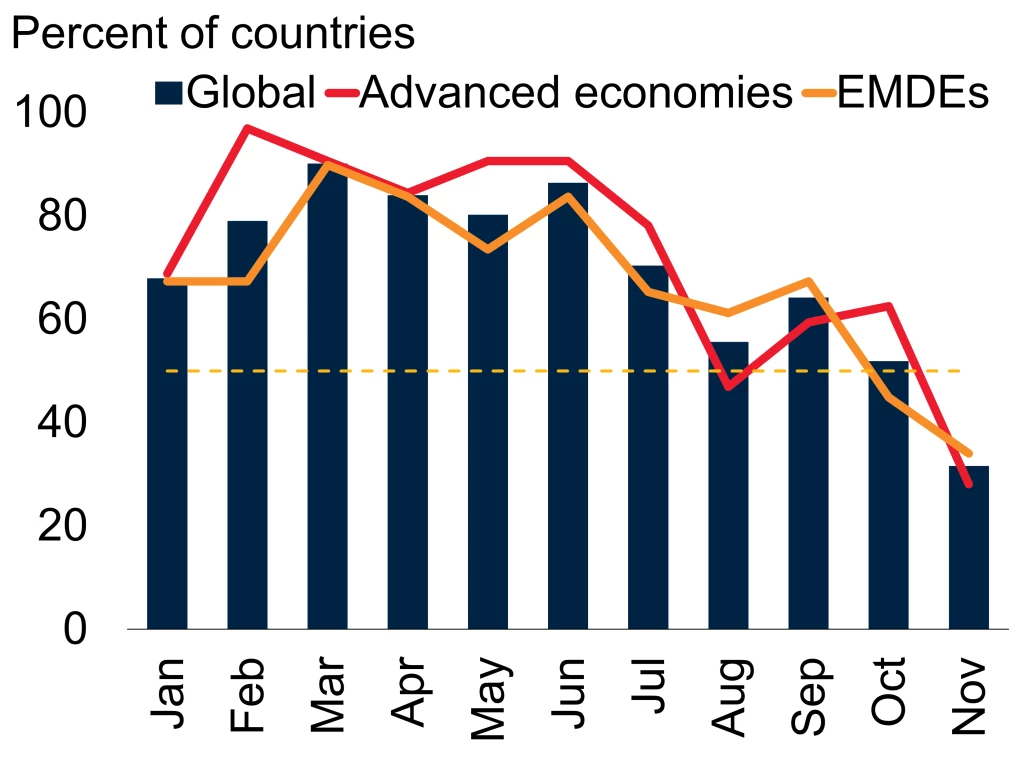
The Global Economic Outlook in Five Charts
Looking Ahead: Mitigation and Opportunities
While the situation remains fluid, with possibilities of de-escalation or prolonged conflict, diversification of energy sources and robust fiscal planning are key. Governments worldwide, including Sri Lanka’s, may accelerate renewable energy investments to buffer against such shocks.
At www.taxcalculator.lk, we recommend monitoring these developments closely. Higher commodity prices could influence VAT rates on imports or excise duties on fuel—stay informed to optimize your tax obligations. If you’re a business owner, consider consulting on potential relief measures amid rising costs.
This conflict serves as a stark reminder of how interconnected our world is. As events unfold, we’ll continue providing insights to help you navigate the financial implications.
Leave a Reply